

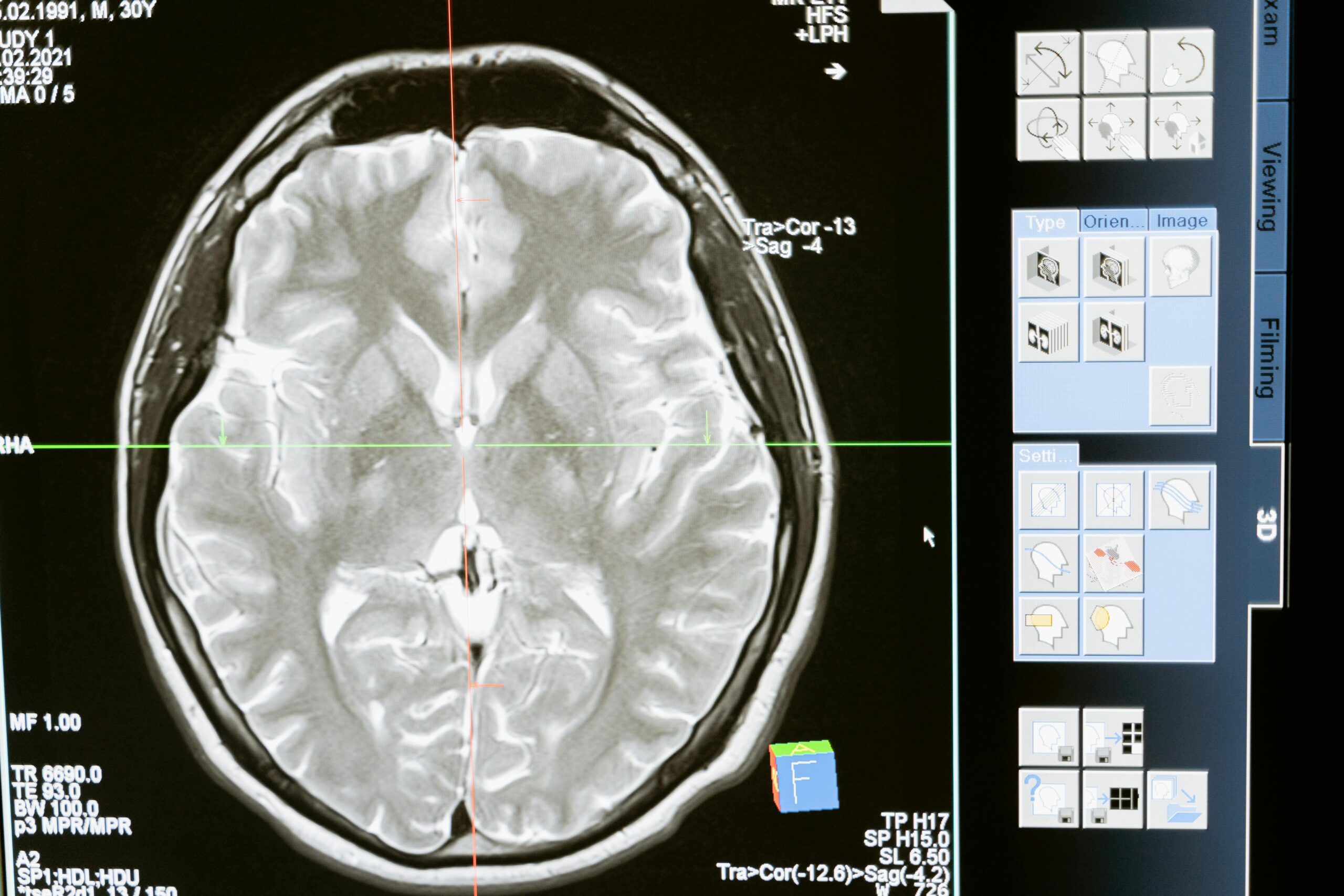
Suffering a brain injury is a life-altering event that can impact your physical abilities, cognitive functions, and emotional well-being. Navigating the legal landscape after such an injury can be challenging, but understanding your rights is essential to secure the appropriate support and compensation. This comprehensive guide provides clear, actionable information to help brain injury survivors explore their legal options, making the path to recovery more manageable.
Seek Proper Medical Documentation
The first critical step in pursuing legal action after a brain injury is obtaining detailed medical documentation. This includes records from your initial diagnosis, ongoing treatments, rehabilitation therapies, and any changes in your condition over time. Comprehensive medical records are vital not only for effective medical care but also as crucial evidence for claims related to compensation or disability benefits.
Read more: 7 Surprising Health Benefits of Regular Spa Visits
Understand Your Insurance Policy
Carefully review your health insurance policy following a brain injury. Many policies include specific coverage for long-term care, rehabilitation services, and mental health support—services that are often essential during recovery. If your injury stems from an accident involving another party’s negligence (such as a motor vehicle collision), it’s important to understand both your policy and the liable party’s insurance coverage. This knowledge will help guide your approach to filing claims and securing compensation.
Consult with a Specialized Attorney
Handling legal matters on your own can be overwhelming. It’s highly recommended to seek an attorney who specializes in personal injury cases involving brain injuries. Experienced lawyers understand the complexities of traumatic brain injuries (TBI) and can provide strategic advice tailored to your situation. They will assist you with filing claims and ensure all possible compensation avenues are thoroughly explored.
Explore Disability Benefits
If your brain injury results in significant impairments affecting daily activities or your ability to work, applying for disability benefits may be necessary. Programs like Social Security Disability Insurance (SSDI) and Supplemental Security Income (SSI) provide financial support to qualified individuals. These applications require detailed medical evidence and documentation, reinforcing the importance of maintaining organized healthcare records throughout your recovery.
Consider Filing a Personal Injury Lawsuit
If negligence contributed to your brain injury—whether due to workplace hazards, defective products, or other circumstances—you may have grounds to file a personal injury lawsuit. Such legal actions seek compensation for medical expenses, lost income, pain, and suffering resulting from the injury. Organizations like Chudar Law Firm offer valuable information on brain injury law. While litigation can be complex and time-consuming, a successful case can provide substantial financial assistance and stability during your recovery.
Navigating the legal options after a brain injury may feel overwhelming, but understanding your rights and remedies can simplify the process. By proactively gathering thorough medical documentation, scrutinizing insurance policies, consulting with specialized attorneys, and exploring all available benefits and claims, you can secure the support essential for your recovery. Remember, you are not alone—professional resources and legal experts are available to guide you every step of the way. Empower yourself with knowledge, seek the help you deserve, and focus on your healing journey toward a brighter future.
For additional information about Everything You Need to Know About Hair Transplants in Dubai, please visit our Health category.
Want to know about ‘TIME-OUT to Refresh Your Brain‘? Check out our ‘Health‘ category.
