

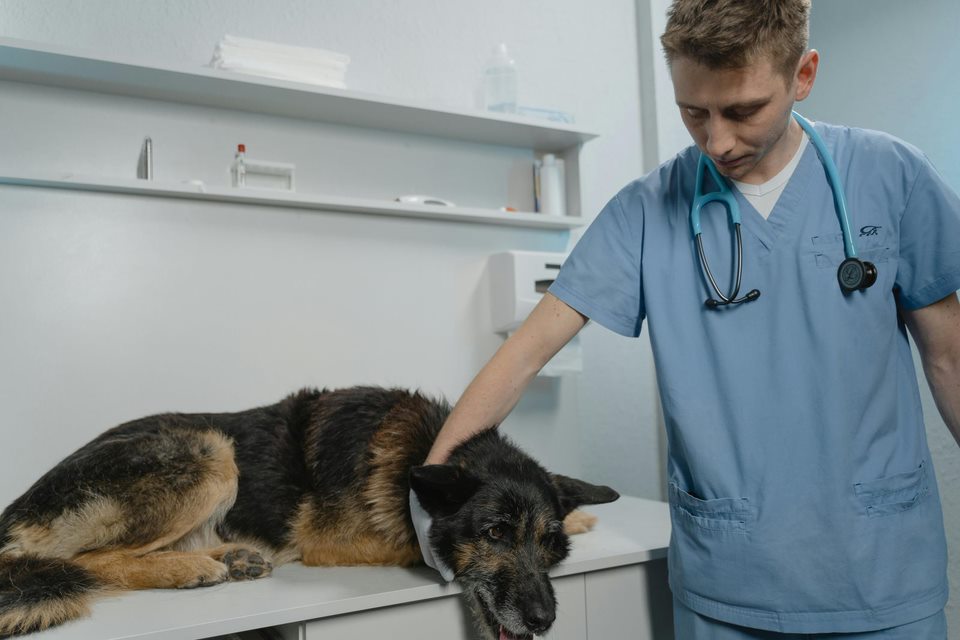
Pets bring immense joy into our lives, but they also depend on us to maintain their health and well-being. Like humans, pets can face a variety of health challenges, many of which can be managed or prevented by understanding their causes and taking proactive measures. If you want to keep your beloved pets happy and healthy, this comprehensive guide covers common pet health issues and effective prevention strategies.
Dental Disease
Dental problems rank among the most frequent health concerns in pets. Poor oral hygiene can cause plaque and tartar buildup, gum disease, and painful tooth loss. Untreated dental disease may lead to serious complications, including infections that spread to vital organs. To prevent dental disease, prioritize regular tooth brushing using pet-friendly toothpaste. Additionally, dental treats and chews help reduce plaque and tartar accumulation. Schedule routine dental examinations at your veterinary hospital to detect and address issues early.
Obesity
Obesity is a common issue affecting cats and dogs, frequently resulting from overfeeding and insufficient exercise. Excess weight diminishes a pet’s quality of life and increases risks for diabetes, arthritis, and heart disease. Prevent obesity by providing a balanced diet tailored to your pet’s nutritional needs and controlling portion sizes. Engage your pet in regular play or exercise sessions to keep them active. Consult your local veterinary hospital for personalized dietary recommendations based on your pet’s age, breed, and lifestyle.
Skin Allergies
Skin allergies are common in pets and can be triggered by environmental allergens, parasites, or inadequate grooming. Typical signs include excessive scratching, redness, and irritated skin, which, if left untreated, may result in infections. Prevent skin allergies by maintaining a regular grooming routine, including baths with pet-safe shampoos. Keep your pet’s bedding clean and minimize exposure to irritants like dust and pollen. If allergy symptoms arise, consult your veterinary hospital to identify triggers and discuss appropriate treatments.
Parasite Infestations
Parasites such as fleas, ticks, and worms can severely affect your pet’s health. Infestations may cause discomfort, anemia, and transmit diseases like Lyme disease or heartworm. Prevent these issues by consistently using veterinarian-recommended flea, tick, and worm preventatives. Perform regular checks after outdoor activities, especially in wooded or grassy areas. Your veterinary hospital can help determine the best parasite protection plan tailored to your pet’s lifestyle and environment.
Ear Infections
Ear infections commonly affect pets, especially dogs with floppy ears, and result from bacteria, yeast, or moisture buildup. Symptoms include head shaking, foul-smelling discharge, and redness. Prevention involves keeping your pet’s ears clean and dry using veterinary-approved cleaning solutions to remove wax and debris. If you notice signs of discomfort, promptly visit your veterinary hospital for evaluation and treatment to avoid complications.
Gastrointestinal Issues
Gastrointestinal problems such as vomiting, diarrhea, and constipation can arise from food intolerances, ingestion of harmful substances, or infections. These conditions can be distressing for both pets and owners. To reduce risk, feed your pet high-quality, easily digestible food, avoid giving human foods, and keep toxic items like chocolate or onions out of reach. Regular veterinary check-ups are essential for early detection and management of underlying gastrointestinal issues.
Joint and Mobility Problems
Arthritis and joint pain are frequent concerns in aging pets or breeds predisposed to mobility challenges. Often, symptoms go unnoticed until severe discomfort arises. Prevent joint problems by maintaining your pet’s ideal weight and considering joint-support supplements recommended by your veterinarian. Moderate, consistent exercise helps preserve mobility without causing strain. A wellness exam at your veterinary hospital can identify early signs and provide guidance on maintaining joint health appropriate care.
Final Thoughts
Proactive care, balanced nutrition, and regular veterinary visits are key to preventing common pet health issues. Staying informed and taking preventive steps can greatly enhance your pet’s quality of life, ensuring many happy and healthy years together. Begin your journey toward exceptional care by scheduling a wellness check at a trusted veterinary hospital such as South Seattle Veterinary Hospital today. Your furry friend will reward you with wagging tails and purrs of contentment.
Additionally, if you want to learn more about “How to Keep Cat’s Mouth Clean & Healthy?,” please visit our “Pets” category.
Just as understanding common health issues helps keep pets healthy, understanding financial management can help pet owners avoid ‘financial headaches’. Learn more about risk management.
Just as accountants help businesses manage risks and prevent financial headaches, understanding common pet health issues and taking proactive measures can keep your beloved pets happy and healthy.
Just as accountants play a crucial role in managing financial risks for businesses, veterinarians are essential in ensuring the health and well-being of our pets. For more insights into this, you might find this article interesting.
