

Any business with a large number of customers should consider implementing a Queue Management System (QMS) to streamline customer flow and improve service efficiency. Arrival patterns can vary significantly by time of day and season, especially in high-traffic locations like airports and malls. These fluctuations demand a well-designed Queue Management System tailored to your specific needs. To understand how these systems can optimize operations, let’s explore two popular queue management software options.
Access Comprehensive Information Instantly:
A modern QMS enables businesses to quickly identify service bottlenecks and improve efficiency through customizable reports based on key performance benchmarks. By eliminating the frustration of slow-moving lines, a QMS boosts customer satisfaction and enhances employee productivity. It replaces manual queue management processes that often lead to inefficient time use and mismanagement. Utilizing a queue management system empowers businesses to allocate employee time more effectively and elevate overall service quality.
With an intuitive suite of tools, Queuing automates queue and line management, offering features such as remote customer check-in and real-time queue browsing. Additionally, Queuing provides detailed analytics on all service interactions, pinpointing bottlenecks and opportunities for improvement. This capability is vital for elevating both customer experience and staff efficiency.
Significantly Reduces Wait Times:
If reducing customer wait times is a priority, Queuing management solutions offer an effective approach. By analyzing visitor data, Queuing helps your service team better understand customer behavior and tailor personalized experiences. This data-driven insight enables tracking of visitor habits over time, facilitating continuous business improvement. The mobile-friendly Queuing app allows staff to communicate with customers promptly, even across multi-floor facilities.
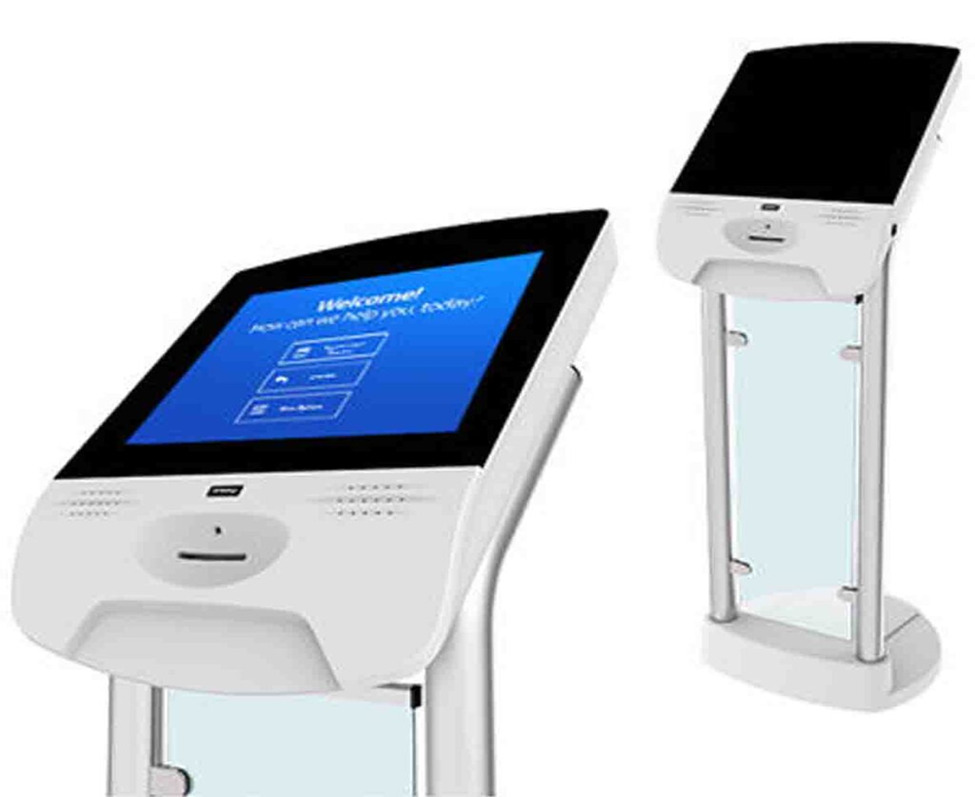
Modern consumers appreciate the convenience of online queue management and sharing options via SMS. With Queuing, customers can check in remotely and join virtual queues, transforming the in-store experience. This technology enhances customer service consistency and boosts worker productivity. The platform is user-friendly, requires no technical expertise, and offers a 14-day free trial to help businesses evaluate its impact before committing.
Improves Energy Efficiency and Operational Effectiveness:
Queue management software not only reduces wait times but also streamlines customer communication through SMS self-check-in and real-time updates. This reduces bottlenecks and enhances overall customer satisfaction. Implementing such solutions is straightforward and demands minimal technical skill, making them accessible for businesses of all sizes.
By minimizing the time customers spend waiting, businesses can significantly lower energy consumption associated with prolonged occupancy. Many companies report higher customer retention and improved employee engagement by leveraging accurate, real-time queue and visitor data provided by these systems.
Conclusion:
Choosing the right queue management software enables businesses to optimize the customer experience effectively. Unlike traditional, often confusing ticketing systems, modern solutions like Queuing feature intuitive interfaces and proactive communication tools. Sending automated messages to update customers on their wait times ensures every customer receives timely attention while waiting, improving satisfaction and loyalty. Discover how a customized deserve can elevate your operations and customer service to the next level.
Want to know about ‘Fleet Management Software’? Check out our ‘Tech‘ category.
For businesses aiming to optimize their operations and reduce financial headaches, understanding the importance of Queue Management Systems is crucial. Learn more about how accountants can also help manage risks here.
For businesses aiming to optimize their operations and reduce financial headaches, understanding the importance of both Queue Management Systems and Risk Management is crucial. Learn more about Risk Management here.
For businesses aiming to optimize their operations and enhance customer service, understanding risk management strategies is crucial. One such strategy involves implementing a Queue Management System (QMS), as discussed here.
For businesses seeking to optimize their operations, it’s worth exploring modern Queue Management Systems like those mentioned in this article. These systems can also help manage financial risks as discussed in Risk Management How Accountants Save Businesses from Financial Headaches.
