

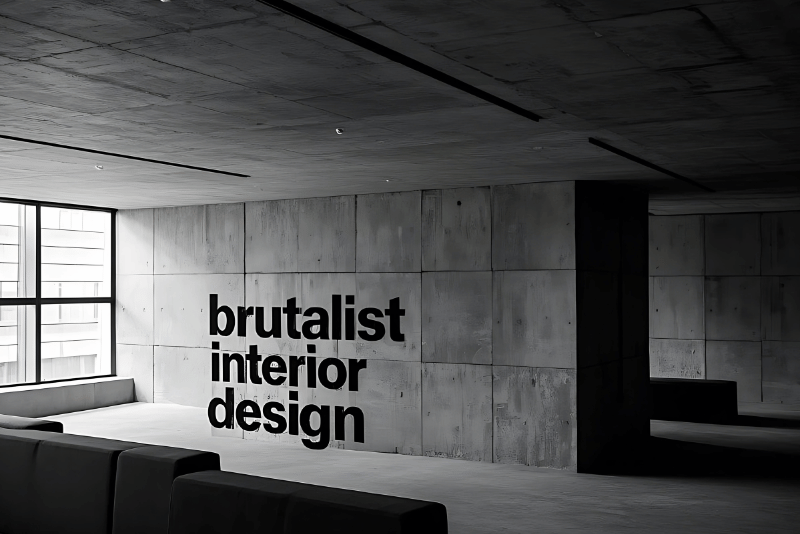
Introduction to Brutalist Interior Design
Brutalist interior design is a bold, unapologetic style that has experienced a significant revival in contemporary homes and commercial spaces. Defined by its use of raw materials, minimalist principles, and stark yet functional aesthetics, this design philosophy offers a distinctive approach to creating impactful modern interiors. This guide explores the origins of brutalist interior design, its defining features, preferred materials, and practical ways to incorporate it into today’s living environments.
| Aspect | Details |
|---|
| Definition | A minimalist, raw, and industrial-inspired interior design style that emphasizes simplicity, authenticity, and utilitarian function. |
| Key Materials | Concrete, exposed brick, steel, glass, natural stone, and untreated wood, primarily featuring unpolished, textured finishes. |
| Color Palette | Neutral tones such as gray, black, white, and beige, with occasional earthy accents like terracotta and muted greens. |
| Furniture Style | Functional, geometric, and angular furniture designs that prioritize clean lines and practical utility over ornamentation. |
| Lighting | Maximized natural light combined with industrial-style fixtures including exposed bulbs, pendant lights, and track lighting for an authentic ambiance. |
| Texture and Finishes | Raw, tactile textures such as exposed concrete walls, unfinished wood surfaces, and unpolished metals enhance the organic feel. |
| Decor Elements | Minimalist decor highlighting statement pieces like abstract sculptures, large-scale art prints, or oversized planters to complement the stark environment. |
Understanding Brutalism in Interior Design
Brutalism originated as an architectural movement in the mid-20th century, particularly during the post-World War II reconstruction era. Derived from the French term béton brut, meaning raw concrete, this style was popularized by architects such as Le Corbusier. While initially focused on imposing, large-scale structures, brutalism eventually made its way into interior design, championing honesty in material use, functionalism, and a raw aesthetic that rejects unnecessary embellishments.
Key Characteristics of Brutalist Interiors

Brutalist interiors are characterized by their daring and unconventional nature, making strong visual statements. Dominated by raw materials like concrete, exposed brick, and natural stone, these elements are often left unfinished to celebrate their inherent textures and imperfections. The style embraces minimalism but with a dramatic flair, emphasizing bold, geometric forms and the elimination of unnecessary decoration.
A neutral color scheme featuring grays, blacks, and beiges allows the natural materials and textures to command attention. Each element within a brutalist interior serves a functional purpose. Industrial elements such as exposed pipes and factory-style lighting fixtures seamlessly merge aesthetic appeal with utility. The interplay between rough concrete, sleek metal, and soft textiles produces visually dynamic and engaging spaces.
Materials Commonly Used in Brutalist Interior Design
Brutalist interiors depend on select materials that embody the style’s raw and utilitarian essence. These include:
- Concrete: A hallmark of brutalism, used extensively in walls, floors, and even furniture pieces for its durability and raw expression.
- Steel and Metal: Introduce an industrial edge, often featured in structural elements, furniture, and lighting fixtures.
- Wood: Applied sparingly, unfinished or reclaimed wood adds warmth and texture that contrast with the colder surfaces.
- Glass: Used in large panes or floor-to-ceiling windows to maximize natural light and open up the space.
- Brick and Stone: Exposed brickwork or natural stone surfaces inject tactile depth and authentic texture.
Incorporating Brutalist Design into Modern Homes

Although brutalism may initially seem too stark or industrial for residential interiors, integrating it thoughtfully can yield stunning, functional, and inviting spaces.
1. Furniture and Décor
Opt for minimalist, geometric furniture crafted from raw materials such as concrete, wood, or steel. Select items with clean, solid lines that convey strength and simplicity. Incorporate soft furnishings like wool rugs or leather cushions to introduce comfort without sacrificing the overall aesthetic.
2. Open Spaces
Brutalist interiors thrive in open-plan layouts with large, uninterrupted areas that showcase the materials and allow the design to “breathe.” This openness emphasizes the architectural elements and enhances visual flow.
3. Lighting
Natural light is essential in brutalist spaces. Incorporate floor-to-ceiling windows and skylights wherever possible. For artificial lighting, choose industrial-style fixtures fashioned from metal with exposed bulbs or pendant lights to reinforce the aesthetic.
4. Statement Walls
Create impact with a concrete feature wall, serving as a focal point to embody the brutalist spirit. Complement this with neutral-toned furnishings to keep the space balanced and cohesive.
5. Functional Accessories
Keep decorative elements minimal and purposeful. Consider industrial shelving, sleek metal planters, or contemporary abstract sculptures to add interest without clutter.
The Enduring Appeal of Brutalist Interiors
Despite its initially divisive reception, brutalism has cultivated a devoted following within the interior design community. Its raw, unpretentious approach appeals to those seeking authenticity, longevity, and simplicity. Moreover, brutalism’s reliance on durable, sustainable materials aligns well with environmentally conscious lifestyle choices, making it a relevant option for modern homeowners.
Challenges of Brutalist Interior Design
Brutalism’s stark aesthetic is not universally appealing and can sometimes create cold or unwelcoming atmospheres. Achieving a comfortable, livable environment requires careful balance—soft textiles, ample natural lighting, and strategic warmth are necessary to counterbalance the raw coldness of concrete and metal. Without proper lighting and thoughtful design, these materials can make a space feel heavy or gloomy.
Iconic Examples of Brutalist Interiors
Key examples showcasing brutalist interior design include:
- The Barbican Centre, London: A quintessential brutalist architectural and interior landmark blending robust concrete with warm wood.
- Le Corbusier’s Villa Savoye: Though primarily architectural, its interiors exemplify minimalist brutalist philosophy with raw materials and functional forms.
- Contemporary Homes and Studios: Modern designers reinterpret brutalist elements into refined, chic spaces softened by textiles and natural accents.
Modern Interpretations of Brutalist Design

Contemporary brutalism often features a “soft brutalism” approach, where raw materials are paired with warm lighting, cozy textiles, and abundant greenery. This modern twist makes the style more accessible and livable without sacrificing its core principles of honesty and simplicity.
Conclusion
Brutalist interior design is a bold, daring choice that emphasizes raw materials, functional simplicity, and honest expression. While it may not suit every taste, its distinct aesthetic and focus on authenticity make it a compelling option for modern, minimalist homes. By carefully balancing brutalism’s rugged elements with warmth and comfort, homeowners can create dramatic yet inviting spaces that celebrate the beauty of imperfection.
Brutalism transcends mere trend status; it is a design philosophy celebrating the raw power of natural materials and the elegance of minimalism. For those ready to embrace its boldness, brutalist interiors offer a timeless, striking way to transform living spaces.
If you are interested in learning more about “How To Choose the Perfect Pool Shape for Your Backyard,” please visit our “Home Improvement” category for in-depth articles and inspiration.
Frequently Asked Questions (FAQs)
Brutalist interior design features raw materials, minimalist aesthetics, and functional elements. It highlights exposed concrete, metal, stone, and geometric shapes to create a bold, dramatic, and utilitarian look.
The term “brutalism” is derived from the French phrase béton brut, meaning “raw concrete.” It highlights the unfinished, raw appearance of materials used widely in this style.
Brutalist interiors commonly use concrete, exposed brick, natural stone, steel, metal, glass, and untreated wood, often left unpolished to emphasize authenticity and texture.
Yes, brutalist design can be adapted for residential spaces. When balanced with softer elements like textiles, lighting, and greenery, it creates inviting, practical, and stylish homes.
Incorporate raw materials such as concrete and metal in walls, floors, and furniture. Use a neutral color palette, select geometric furniture, add industrial-style lighting, and create open layouts. Enhance the space with natural light and soft furnishings to achieve a balanced brutalist look.
Want to know about ‘Interior Design‘? Check out our ‘Home Improvement‘ category.
