

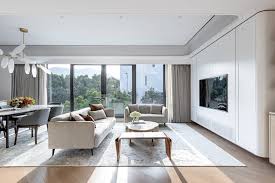
An Interior Designer is a skilled professional who understands clients’ needs and preferences to create stunning and functional interior spaces for both residential and commercial projects. Utilizing expertise in color theory, space planning, and design principles, an interior designer selects appropriate furniture, materials, and lighting to transform spaces. Their work spans renovating existing interiors, designing new homes or apartments, and planning commercial environments such as offices, restaurants, and hotels.
Strong communication, networking, and project management skills are essential, as interior designers collaborate closely with contractors, vendors, and other stakeholders to deliver cohesive and well-executed design schemes.
Steps to Build a Successful Career in Interior Design
To establish a rewarding career in interior design, aspiring professionals should consider the following questions:
- What types of projects are you passionate about?
- Are you interested in designing residential spaces?
- Or do you aspire to work on large-scale commercial projects such as municipal buildings, shopping centers, airports, or hospitals?
- Do you possess the skills and patience required to manage projects effectively? This includes handling daily challenges, navigating complex dilemmas, and making quick decisions during the course of a construction site.
If you are interested in commercial interiors and complex building projects, enrolling in an architecturally focused Interior Design Course may be the best path. Conversely, if you prefer creative and artistic experimentation, consider courses emphasizing design with access to resources like art studios.
Building a career in interior design requires resilience. The journey can be challenging, demanding passion, perseverance, patience, and hard work to stand out in this competitive field. Here are key steps to guide your progress:
Identify Your Niche
Success often comes from specializing in a particular area. Determine the niche that you want to be recognized for, such as:
- Incorporating sustainable design practices through the use of eco-friendly products, plants, and sustainable materials
- Specializing in the hospitality industry
- Managing building premises
- Focusing on residential projects, designing people’s homes
- Designing healthcare facilities
- Working with corporate and commercial enterprises
- Handling retail environments and shopping centers
Enroll in a Comprehensive Interior Design Program
A four-year Interior Design course offers in-depth knowledge and practical skills needed to tackle complex design challenges in today’s dynamic industry. The curriculum typically covers Ergonomics, Design Principles, Interior Design Fundamentals, Materials and their Applications, Space Planning with Aesthetic Considerations, Color Theory, Human Comfort, and Representation Techniques.
Gain Hands-On Experience
Interior design goes beyond creating sketches and selecting fabrics. It requires active collaboration with diverse teams throughout design and construction phases. You must also ensure that the final deliverable aligns closely with the initial design concept.
Stay Updated on Trends and Styles
A successful interior designer maintains a broad knowledge of various styles and aesthetics—whether minimalist, contemporary, or traditional. The ability to seamlessly integrate different styles into your projects keeps your portfolio fresh, innovative, and distinct.
Beyond technical skills, passion for architecture, a strong appreciation for art and design, and staying informed on industry trends are critical to a thriving career in interior design.
