

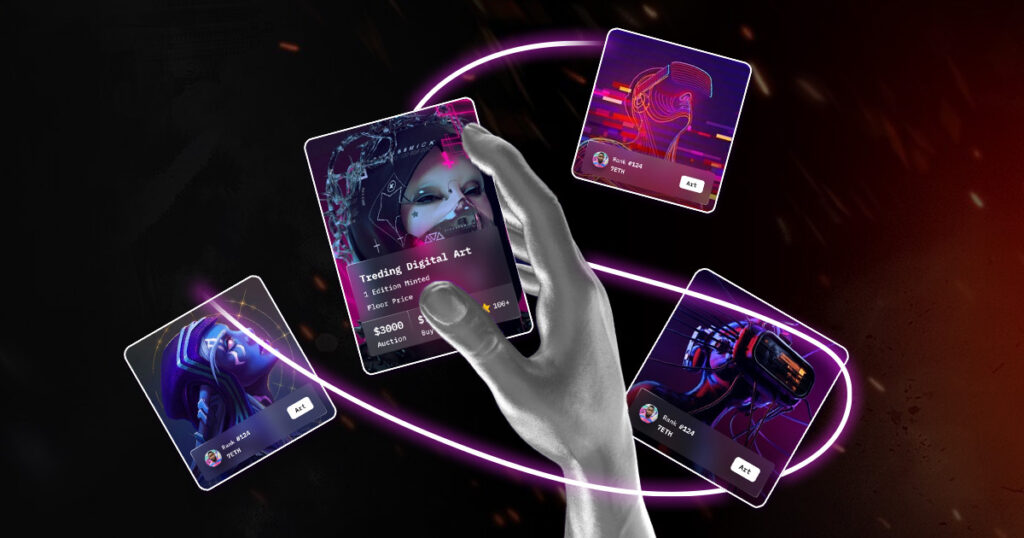
An NFT marketplace is a platform where non-fungible tokens (NFTs) are bought, sold, and traded, built on blockchain technology. NFTs represent unique digital assets that can be minted and exchanged within these platforms. NFT marketplaces can either be generic or niche-specific. For example, OpenSea, Rarible, and SuperRare are all-inclusive marketplaces catering to various NFT categories. Conversely, NBA Top Shot focuses on sports-related NFTs, while platforms like Royal and Onlymusix specialize in music-based NFTs.
Some development companies offer White-label NFT Marketplace development services tailored services for building NFT marketplaces.
Choosing the right development service depends on your preferred niche and the scope of services offered. Many creators and businesses prefer white-label NFT platform development services due to their numerous advantages.
White-label NFT Marketplace – An Introduction
A white-label product is a pre-built, ready-to-deploy solution that can be customized to fit specific needs. A white-label NFT marketplace is a tested, deployable NFT marketplace platform designed for seamless trading and auctions of NFTs. These platforms are fully customizable to align with user preferences and are developed on blockchain networks such as Ethereum, Binance Smart Chain, and Solana, ensuring secure and efficient NFT transactions.
Why Choose a White-label NFT Platform?
- Unique Asset Ownership: NFTs represent rare and unique digital products, making ownership special. Their value often appreciates over time, providing promising returns for traders and investors.
- Enhanced Security: Security is paramount in NFT marketplaces to protect digital assets and user data. White-label platforms come equipped with robust security features, minimizing risks associated with hacks or data breaches. Building such secure platforms from scratch can be time-consuming and complex.
- Cost-effective and Time-saving: Developing an NFT marketplace from the ground up can take over six months and incur high costs. White-label solutions offer a faster, more affordable alternative without compromising quality.
- Customizable Design and Features: White-label NFT marketplaces allow full customization of UI/UX and functionalities to match your brand identity and cater to your target audience.
Key Features of a Successful NFT Marketplace
Storefront: The storefront is the marketplace’s primary interface where users browse NFTs, view auctions, and access important information about sellers and bids. It should be intuitive and user-friendly.
Advanced Search Options: Efficient search filters help users quickly find desired NFTs. Whether the platform is all-inclusive or niche-focused, search functionality is critical for user satisfaction.
NFT Wallet Integration: Wallets enable users to securely store, buy, and sell NFTs. They also facilitate smooth crypto transactions within the marketplace.
Listings Management: The platform should allow users to list NFTs for sale easily, providing clear guidelines and comprehensive information about listings to benefit both buyers and sellers.
Auctions and Sales: Support for standard sales and auction mechanisms allows buyers to purchase NFTs directly or via competitive bidding.
Smart Contracts: These automated blockchain contracts ensure transparent and secure transactions by enforcing agreed terms between buyers and sellers, eliminating the need for intermediaries.
Ratings and Reviews: User feedback and ratings build trust and help new users assess the platform’s credibility and performance.
How to Build a White-label NFT Marketplace
Building an NFT marketplace requires adherence to several standards. The platform must be transparent, ensuring that all transactions are clearly visible to users to prevent errors or fraud. High-level security measures are essential to protect against hacks and unauthorized access. A decentralized architecture distributes data across multiple nodes, enhancing security and reliability. Moreover, implementing monetization strategies—such as listing fees or transaction commissions—ensures sustainability. Integrating smart contracts further decentralizes the platform, providing smooth, automated transaction processes for users.
Steps to Develop Your White-label NFT Marketplace:
- Choose Your Niche: Identify the specific market segment your NFT marketplace will serve. You may opt for a general marketplace like OpenSea or specialize in a niche such as sports or music. Tailoring the UI/UX design to your niche will attract the right audience.
- Select White-label NFT Development Services: Look for reputable providers offering reliable white-label solutions. Prioritize services with positive reviews and a proven client base to ensure quality and timely delivery.
- Implement Smart Contract Token Generators: Incorporate smart contract tools to create unique, verifiable NFT tokens and streamline transactions.
- Testing and Deployment: Conduct thorough multi-phase testing to ensure functionality, security, and user experience before launching your NFT marketplace.
Popular White-label NFT Marketplace Clones:
- OpenSea Clone
- Rarible Clone
- Cryptopunks Clone
- SuperRare Clone
- NFT-based OnlyFans Clone
- Nifty Gateway Clone
Conclusion
White-label NFT platform development offers a streamlined, cost-effective, and customizable approach to launching NFT marketplaces. With many NFT marketplace options available development services provide white-label NFT Marketplace, entrepreneurs can easily choose solutions that suit their vision and business goals. Leveraging white-label platforms accelerates entry into the dynamic NFT market, empowering creators and investors alike.
